
BLOG
Weekly Insights. Real-World Wins.
Actionable shipping tactics for Amazon, eBay, and DTC brands.

19
2024
-
11
Less Than Container Load Shipping: Smarter Shipping, Lower Costs
author:
Christina
Introduction to Less Than Container Load (LCL) Shipping
Shipping goods internationally can be challenging, especially for businesses that do not need a full container for their products. This is where Less Than Container Load (LCL) shippingcomes into play. LCL shipping allows multiple shippers to share space within a single container, making it a cost-effective and flexible solution for smaller shipments.
As global trade expands and e-commerce flourishes, especially among Amazon FBA sellers, the demand for Less Than Container Load (LCL) shipping is growing. This guide will help you understand everything about LCL shipping, including its benefits, challenges, and how it compares to other logistics options like FBA freight shipping. By the end of this article, you’ll see why choosing the right freight forwarding partner is critical to your shipping success.
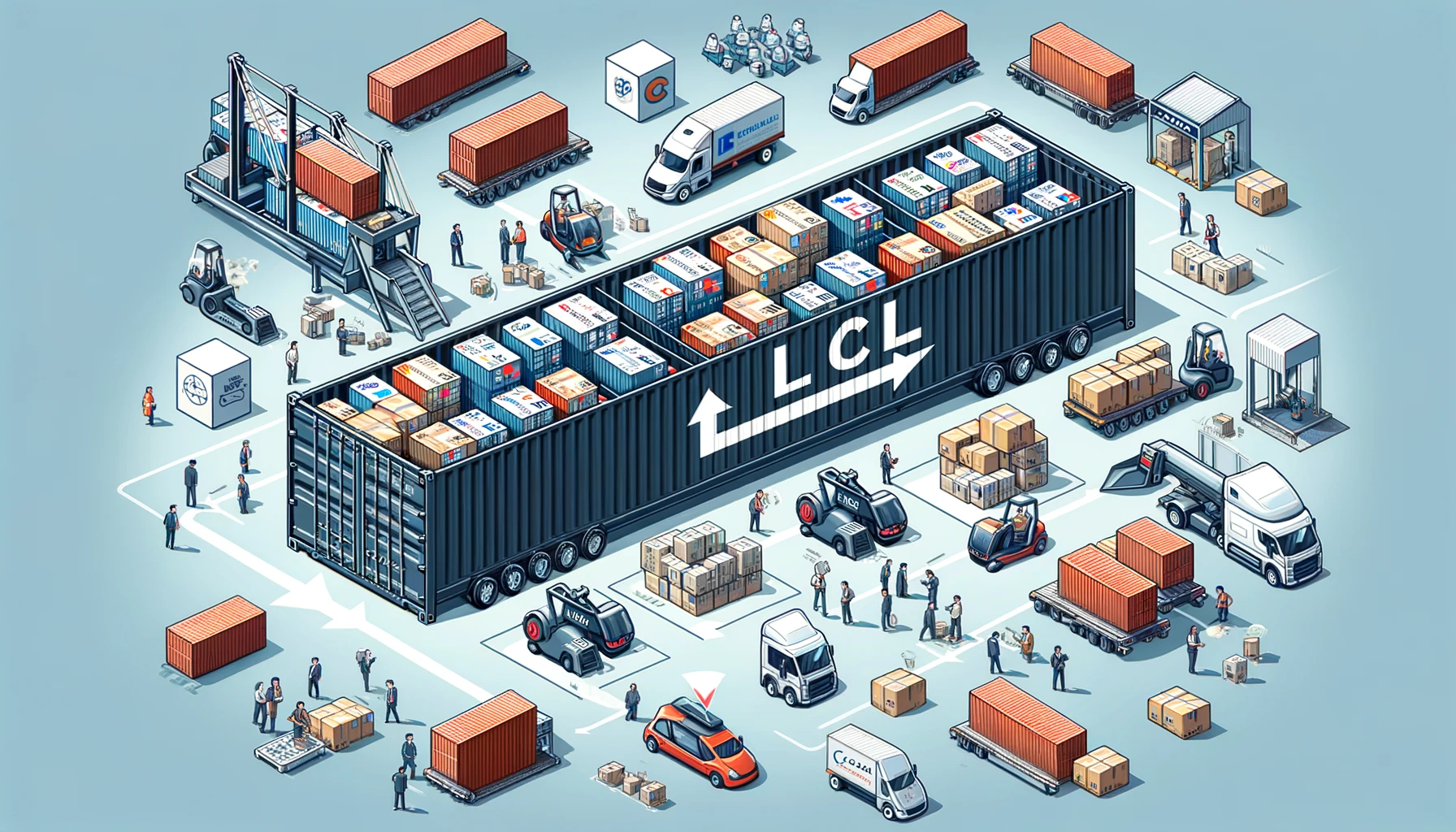
How LCL Shipping Works?
LCL shipping is a logistics solution designed for shipments that do not fill an entire container. Instead of paying for an entire container, businesses can pay only for the space they use. Here’s how the process works:
1. Cargo Consolidation: The freight forwarder consolidates shipments from multiple businesses at the origin port.
2. Shared Container Loading: The goods are packed into a shared container and shipped to the destination port.
3. Customs Clearance: The freight forwarder handles customs paperwork for all goods in the container.
4. Deconsolidation at Destination: Once the container arrives, the goods are separated and sent to their final destinations.
This method is particularly popular for businesses looking to save costs while maintaining efficient international shipping operations.
Advantages of LCL Shipping
LCL shipping offers several benefits that make it an attractive choice for many businesses:
1. Cost-Effectiveness: Businesses only pay for the container space they use, significantly reducing costs for smaller shipments.
2. Flexibility: LCL allows for more frequent shipments, making it ideal for businesses with fluctuating inventory needs.
3. Sustainability: Sharing container space with other shippers reduces waste and promotes more efficient use of resources.
4. Accessibility for Startups: Smaller businesses, such as Amazon sellers, can benefit from affordable international shipping without committing to full containers.
By choosing a trusted freight forwarding partner, you can maximize these benefits while minimizing potential risks.
Disadvantages and Challenges of LCL Shipping
While less than container load shipping is cost-effective and flexible, it does have some challenges to consider:
1. Longer Transit Times: The need for consolidation and deconsolidation may add time to the shipping process.
2. Higher Risk of Damage: Sharing container space increases the risk of damage due to the mix of goods.
3. Complexity in Logistics: Managing multiple shipments in a single container requires precise coordination.
4. Additional Costs: Handling and storage fees may apply, especially if delays occur at customs.
Understanding these challenges is essential to ensure a smooth LCL shipping experience. Working with an experienced freight forwarder, like Forest Shipping, can help mitigate these risks.
Who Should Choose LCL Shipping?
Less than container load (LCL) shipping is not for everyone. It works best for:
- Small to Medium Businesses: Ideal for companies shipping smaller volumes that do not justify a full container.
- Amazon FBA Sellers: LCL is a popular choice for shipping products to FBA warehouses, allowing sellers to balance cost and efficiency.
- E-commerce Entrepreneurs: Businesses requiring frequent but smaller shipments can benefit from the flexibility of LCL.
- Personal Shippers: Individuals sending personal items internationally can take advantage of shared container space.
If your business aligns with these scenarios, Less Than Container Load shippingcould be the perfect solution for your needs.
LCL Shipping vs. FCL Shipping

The primary difference between LCL and FCL lies in container usage. Here’s a quick comparison:
| Aspect | LCL Shipping | FCL Shipping |
| Container Usage | Shared container space | Full container for one shipment |
| Cost | Pay per cubic meter | Pay for the entire container |
| Transit Time | Longer due to consolidation | Faster, as no consolidation required |
| Risk | Slightly higher due to mixed cargo | Lower, as goods are isolated |
When to choose LCL: Smaller shipments, cost savings, and flexible schedules.
When to choose FCL: Large shipments, time-sensitive goods, and increased security.
LCL Shipping Process: A Detailed Guide
To ensure a smooth LCL shipping experience, follow these steps:
1. Prepare Your Goods:
- Use durable packaging to protect goods during transit.
- Label your items clearly with shipping details.
2. Book Your Shipment:
- Work with a reliable freight forwarder like Forest Shipping.
- Provide accurate shipment details, including dimensions and weight.
3. Customs Documentation:
- Submit required paperwork, such as commercial invoices and packing lists.
- Ensure compliance with destination country regulations.
4. Track Your Shipment:
- Use tracking tools provided by your forwarder for real-time updates.
- Stay in communication with your freight forwarder to address any issues promptly.
How to Calculate LCL Shipping Costs
Understanding the cost structure of LCL shipping is crucial:
1. Freight Charges: Calculated based on volume (cubic meters) or weight, whichever is higher.
2. Handling Fees: Include consolidation, loading, and unloading costs.
3. Customs Duties: Vary based on the destination and nature of goods.
4. Additional Charges: Such as port fees, fuel surcharges, and documentation fees.
Tips to Save on Costs:
- Consolidate shipments to minimize handling fees.
- Work with a freight forwarder who offers transparent pricing.
- Choose strategic shipping schedules to avoid peak season surcharges.
Factors Affecting LCL Shipping Transit Times
Transit times for LCL shipping depend on several factors:
- Consolidation Schedules: Delays may occur if not enough cargo is available to fill the container.
- Customs Clearance: Complex documentation can slow down the process.
- Port Congestion: Busy ports may increase waiting times.
- Geographical Route: Longer routes naturally take more time.
By partnering with Forest Shipping, you can benefit from streamlined processes that minimize delays.
Tips for Optimizing LCL Shipping
1. Choose the Right Freight Forwarder: Look for experience and a strong network of partners.
2. Optimize Packaging: Use space-efficient packaging to reduce volume.
3. Plan Ahead: Book shipments early to avoid delays.
4. Track Shipments: Stay updated on shipment progress for better planning.

Choosing the Right Freight Forwarder for LCL Shipping
The success of your LCL shipment depends on the freight forwarder you choose. Consider the following:
- Experience: Years of expertise in LCL shipping.
- Global Network: Strong connections with carriers and consolidators.
- Customer Support: Responsive and knowledgeable support teams.
- Transparent Pricing: Clear cost breakdowns with no hidden fees.
Forest Shipping excels in all these areas, making it a trusted partner for businesses worldwide.
Forest Shipping’s LCL Services
Forest Shipping specializes in LCL shipping solutions tailored to your business needs. Highlights of their services include:
- Amazon FBA Expertise: Seamless delivery to FBA warehouses worldwide.
- Customized Solutions: Flexible options to suit your shipment size and budget.
- Reliable Network: Partnerships with global carriers to ensure timely delivery.
- Customer Success: Proven track record of helping businesses optimize their logistics.
Frequently Asked Questions (FAQs)
1. What is the minimum cargo size for LCL shipping?
The minimum cargo size for LCL shipping typically starts at one cubic meter (CBM). This means if your shipment occupies less than one CBM, you may still be charged for the full CBM, as this is the standard minimum chargeable unit. However, some freight forwarders may accept smaller volumes, especially if they can combine multiple smaller shipments to fill the container. If you’re unsure, consult with a trusted freight forwarder like Forest Shipping to determine the most cost-effective way to handle your shipment.
2. How do I ensure my goods are safe in an LCL shipment?
Ensuring the safety of your goods in an LCL shipment starts with proper packaging. Use durable materials, such as corrugated boxes or crates, and reinforce them with packing tape. Fragile items should be wrapped individually with cushioning materials like bubble wrap, and heavy items should be placed at the bottom of the container. Additionally, clear and accurate labeling is crucial to ensure proper handling during transit.
Choosing a reliable freight forwarder is another critical step. Professionals like Forest Shipping handle LCL shipments with care, ensuring goods are consolidated and deconsolidated securely. Finally, consider purchasing cargo insurance to protect your shipment from unforeseen damages or losses.
3. Can LCL shipping be used for perishable goods?
Yes, LCL shipping can accommodate perishable goods, but it requires special arrangements. For example, refrigerated containers, also known as reefers, are used to maintain the temperature and humidity levels necessary for items like fresh produce, frozen foods, and pharmaceuticals. However, not all LCL providers offer refrigerated services, and consolidation schedules might extend transit times, which could impact the freshness of the goods.
To successfully ship perishable items, work closely with your freight forwarder. Forest Shipping can help you arrange temperature-controlled solutions and ensure your shipment adheres to all regulatory requirements for perishable goods.
4. What is the difference between LCL and groupage shipping?
While both LCL and groupage shipping involve sharing container space, there are subtle differences. LCL shipping refers to a service where goods from multiple shippers are consolidated into one container, typically arranged dynamically based on demand. Groupage shipping, on the other hand, involves pre-arranged consolidation by the freight forwarder, often with consistent shippers or similar cargo types.
For businesses, the choice between LCL and groupage shipping depends on your specific needs. If your shipment is flexible and part of a recurring arrangement, groupage shipping might be more cost-effective. If your needs vary and require custom solutions, LCL shipping is likely the better option. Forest Shipping offers both services and can guide you in selecting the best fit for your logistics strategy.
5. How can I track my LCL shipment?
Tracking your LCL shipment is essential to maintaining control over your supply chain. Most freight forwarders, including Forest Shipping, offer digital tracking tools that allow you to monitor your shipment in real-time. These tools provide updates on key milestones, such as when the shipment is consolidated, loaded onto a vessel, arrives at the destination port, and undergoes customs clearance.
For effective tracking:
- Ensure you receive a tracking number or reference code from your freight forwarder.
- Regularly check for updates on the provided tracking platform.
- Stay in touch with your freight forwarder to address any issues or delays promptly.
Tracking not only keeps you informed but also allows you to plan better for inventory management and customer deliveries.
Final Thoughts
Less Than Container Load shippingoffers a practical solution for businesses looking to ship smaller quantities internationally. With cost savings, flexibility, and eco-friendly advantages, LCL shipping can transform your logistics strategy. By choosing a reliable freight forwarder like Forest Shipping, you can ensure your shipments are handled efficiently, safely, and on time.
Ready to take your shipping to the next level? Explore Forest Shipping’s tailored Less Than Container Load (LCL) Shipping solutions today!
less than container load shipping,LCL Shipping,lcl forwarder


2024-10-10
Shipped from China to these countries, new customers at Forest Shipping can receive a total of $1,500 in LCL shipping coupons.
2017-06-08
Find out What is LCL in shipping(What is LCL Shipment): Less than container load (LCL) is a shipment that is not large enough to fill a standard cargo container.
2017-05-22
Forestshipping.com helps you to ship your products with FCL shipping and LCL shipment to Amazon warehouse.
Discover the essential guide to standard 20ft shipping container dimensions. Learn how to choose, costs from China, and optimize your international logistics.
Explore detailed insights on shipping container to Italy cost, factors influencing pricing, and cost-saving tips. Optimize your shipping process efficiently.
2023-10-20
Let's find out What is the meaning of TEU and FEU in shipping container, and also how much cbm fits into a teu or feu container.
SIGN UP FOR NEWSLETTER
Get in touch and find out how we can make your next shipment easier.
